

 +91 9825304691
 sales@avivaequipments.com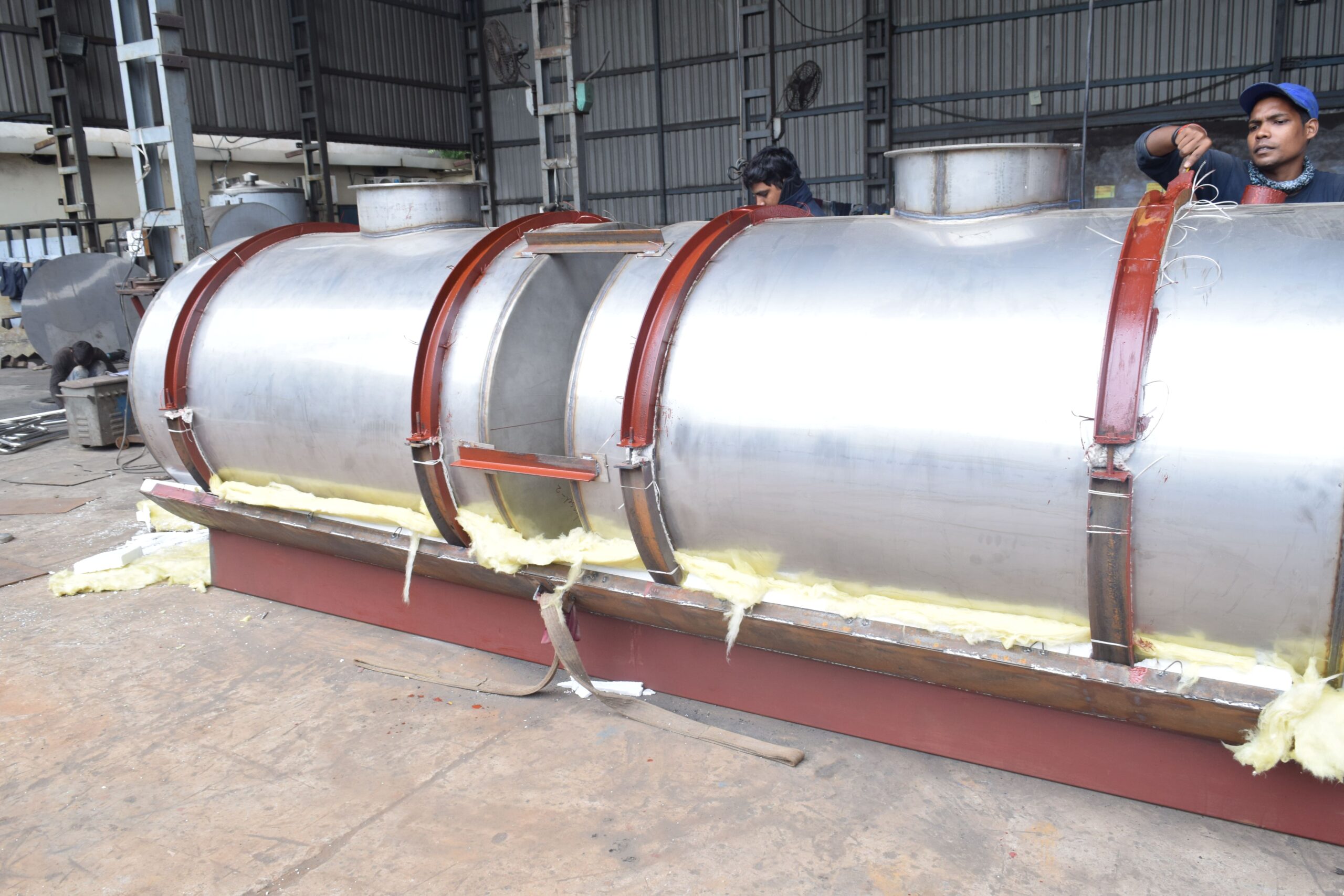
Road Milk Tankers Single & Multi Compartments
Road Milk Tankers Single & Multi Compartments
Road milk tankers are specialized vehicles designed for the transportation of liquid milk. They come in various configurations, including single and multi-compartment designs, each with specific features tailored to maintain the quality and safety of the milk during transport. Here’s a detailed description of each type:
Single-Compartment Milk Tankers
Description
- Structure: Single-compartment milk tankers have one large, insulated tank.
- Capacity: The capacity varies, typically ranging from 5,000 to 25,000 liters, depending on the size of the tanker.
- Material: Tanks are usually made of stainless steel to prevent contamination and ensure durability.
- Insulation: These tanks are insulated to maintain the milk at a constant, cool temperature, preventing spoilage during transportation.
- Insulation: These tanks are insulated to maintain the milk at a constant, cool temperature, preventing spoilage during transportation.
- Pumping System: Includes a pumping system for easy loading and unloading of milk.
- Temperature Control: May include temperature monitoring systems to ensure milk is kept within the required temperature range.
Advantages
- Simplicity: Easier to clean and maintain due to the single compartment.
- Cost-Effective:Generally less expensive to manufacture and operate compared to multi-compartment tankers.
- Suitable for Large Quantities: Ideal for transporting large volumes of milk from a single source to a single destination. Disadvantages:
Disadvantages:
- Less Flexibility: Not suitable for carrying different types of milk or milk from different sources simultaneously.
Multi-Compartment Milk Tankers
Description
- Structure: Multi-compartment milk tankers have two or more separate, insulated compartments within a single tanker.
- Capacity: The total capacity can be similar to single-compartment tankers but divided among multiple compartments, typically ranging from 5,000 to 25,000 liters in total.
- Material: Also made of stainless steel for hygiene and durability.
- Insulation: Each compartment is individually insulated to maintain the temperature of the milk.
- Cleaning Systems: Each compartment has its own CIP system for efficient and hygienic cleaning.
- Pumping System: Includes multiple pumping systems to handle loading and unloading from different compartments.
- Temperature Control: Each compartment may have its own temperature monitoring system to ensure proper temperature control for each batch of milk.
Advantages
- Flexibility: Can transport different types of milk or milk from different sources simultaneously without mixing.
- Efficient Use of Space: Allows for the transportation of smaller quantities of milk, which can be beneficial for smaller farms or dairies.
- Operational Efficiency: Can deliver milk to multiple destinations without the need for separate trips.
Disadvantages:
- Complexity: More complex to clean and maintain due to the multiple compartments.
- Higher Cost:Generally more expensive to manufacture and operate compared to single-compartment tankers.
Common Features
Regardless of the type, both single and multi-compartment milk tankers share some common features:
- Hygienic Design: Smooth internal surfaces to prevent milk residue buildup and bacterial growth.
- Safety Features: Equipped with safety measures like pressure relief valves and emergency shut-off systems.
- Compliance: Designed to meet regulatory standards for food safety and transportation.
Choosing between a single-compartment and a multi-compartment milk tanker depends on specific operational needs, including the volume of milk to be transported, the number of milk sources, and the destinations.